If conflict or a serious infrastructure disruption affects your area, the first decisions may be ordinary ones made under pressure: how to reach a relative, where to find a medicine, whether to stay or leave, and what you can carry. Review those decisions now, while you can check information and talk to the people involved. Preparing does not require a prediction that war will reach your neighbourhood. It requires an honest look at what your household would need if its usual arrangements stopped working.
This guide explains a 72-hour emergency kit and the plan around it. It is aimed at readers in the United States and other Western markets, with country-specific guidance clearly identified. The current European security reporting provides context, not a countdown. Information was checked on October 8, 2026. The practical exercises are our suggestions; official instructions for an actual emergency always take priority. Start with supplies already in your home and buy only to fill a specific gap.

Your 72-hour emergency checklist
Download the free checklist (TXT).
Tick each item after checking the quantity, condition and storage location. This starting checklist combines official kit guidance with our household review suggestions; adapt it for children, pets, disabilities and your local hazards.
Water baseline: CDC emergency water guidance. General supplies: Ready.gov kit guidance. Confirm an evacuation arrangement and assistance contacts alongside the supplies. Checkmarks are temporary and reset when this page reloads.
Amazon supplies by emergency-kit category
As an Amazon Associate I earn from qualifying purchases. These are paid Amazon.com search links, not verified individual listings. Compare current models, sellers and specifications; prices and availability change. Examples are research-based, not personally tested. Use what you own before buying replacements.
Water storage
Food-grade emergency water containers
Compare drinking-water suitability, capacity and filled weight. A container holds water; it does not make contaminated water safe.
Compare on AmazonWe may earn commission.Food access
OXO Good Grips Soft-Handled Can Opener
A manual opener can make stored cans accessible without electricity. Test it with your own hands and cans; it is not a food reserve. Manufacturer details.
Compare on AmazonWe may earn commission.First aid
Household first-aid kit
Compare contents, expiry dates and instructions against household needs. A first-aid box does not replace prescription supplies, training or medical care.
Compare on AmazonWe may earn commission.Lighting
Battery-powered LED lantern
Compare battery type, controls and replacement needs. Test the light before storing it; choose flameless lighting rather than candles during an outage.
Compare on AmazonWe may earn commission.Phone charging
USB-C phone power bank
Check your phone, cable and charging compatibility. Charge it in advance; advertised battery capacity alone does not establish runtime or suitability for medical equipment.
Compare on AmazonWe may earn commission.Official updates
Battery-powered AM/FM emergency radio
Check local broadcast coverage and power options. NOAA weather alerts serve the United States; readers elsewhere need a radio and official alert channels suited to their country.
Compare on AmazonWe may earn commission.Hygiene supplies
Soap and household rubbish bags
Compare ordinary supplies you already use. Allow for personal care needs and local sanitation instructions; these items do not treat unsafe drinking water.
Compare on AmazonWe may earn commission.Documents and warmth
Water-resistant document pouch
Keep copies and written contacts organised while storing originals securely. Check closure and water-resistance claims; a pouch is not automatically waterproof or fireproof. Add warm clothing separately.
Compare on AmazonWe may earn commission.Prescription arrangements, safe transport and assistance contacts belong in your plan even though they are not shopping categories. U.S. Amazon links may not suit every reader’s location.
In this article
What Europe's 72-hour guidance actually says
The European Commission and High Representative launched the Preparedness Union Strategy on March 26, 2025. It encourages essential household supplies for at least 72 hours. The strategy addresses a range of crises, including natural disasters, cybersecurity and hybrid threats, and includes 30 actions covering wider institutional preparedness.
The date matters. This is not a newly issued October 2026 instruction that an attack is about to happen. Nor does the announcement promise that every emergency ends after three days. Its household baseline sits within a larger programme involving essential services, coordination and stockpiling.
For readers, the useful response is to check the guidance for their own country and circumstances. A European policy announcement does not replace a U.S. local emergency plan or a national civil-defence instruction elsewhere. The shared planning question is whether you have a workable starting reserve and a way to respond to current instructions. Do not turn a baseline into a guarantee.
Europe’s security risks: video context
Home supplies and an evacuation bag are different
A home reserve can include items too heavy to carry comfortably. A departure bag needs to fit the person, transport and journey. Treat them as related but separate arrangements. This distinction is our planning framework, not a claim that every emergency allows you to remain at home or follow a predetermined route.
For a home review, record what you have, where it is stored and who can access it. For a portable bag, test whether the intended user can lift and manage it. If an essential item cannot be carried, write down what assistance or transport the plan depends on. That gap deserves attention before adding optional equipment.
Canada's public preparedness guidance emphasises understanding local risks, making a household plan and keeping a kit accessible and organised. Use that principle to structure your review. Our bug-out bag checklist provides a more detailed packing framework, while the sections below focus on the decisions that make supplies usable.
Emergency water: calculate the household amount
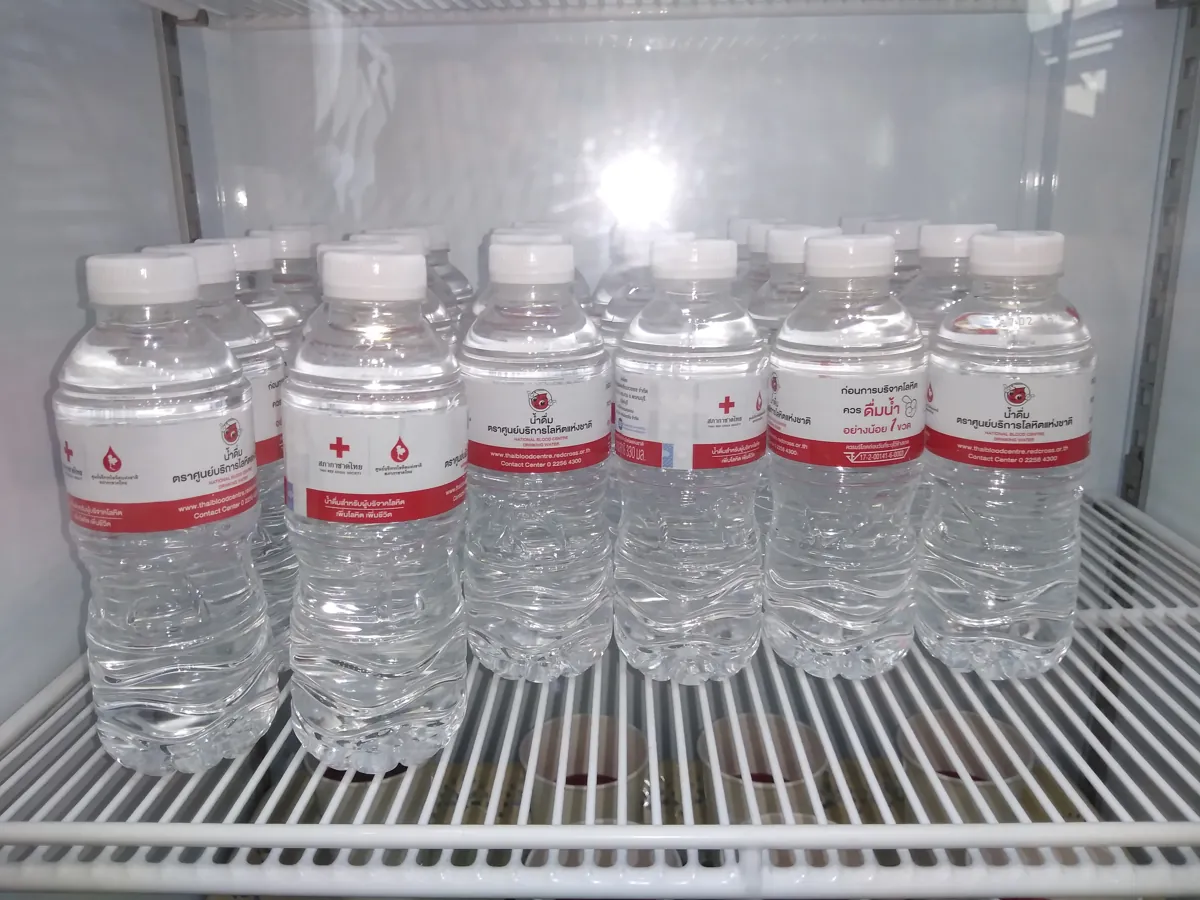
The CDC recommends at least one U.S. gallon per person per day for three days, and trying to store two weeks if possible. It advises considering more for pets, illness, pregnancy and hot conditions. Unopened commercial bottled water is its preferred emergency source; stored water should be kept in suitable containers, away from heat, sunlight and toxic substances.
Using that baseline, one person needs three gallons for three days, about 11.4 litres. Two people need six gallons, about 22.7 litres. Four need twelve gallons, about 45.4 litres. These are arithmetic examples, not universal prescriptions for every household. They also explain why the full home reserve may be impractical in one portable bag.
Count the water you actually have before choosing another container. Record the location and the review date. A small drinking bottle can help carry water, but it is not the household reserve. If space is difficult, see our small-apartment water storage guide for a more manageable planning approach.

A bottle or filter is not a complete water plan
The CDC's water-safety guidance warns that water containing harmful chemicals or toxins cannot be made safe by boiling, disinfecting or filtering. That limitation matters when evaluating products marketed for emergencies. A claim about removing particular microorganisms should not be interpreted as protection against every kind of contamination.
Our buying rule is to identify the purpose of an item before comparing it. A container stores or carries water. A treatment device has defined capabilities and instructions. A supply plan addresses quantity and access. These are separate functions, and none should be silently substituted for the others.
If authorities issue a water notice, read the notice itself. Check which uses are affected and which source is recommended. Do not infer that a hiking filter overrides local advice. Keep manufacturer instructions accessible if treatment equipment is part of your plan, and use an alternative safe source when the hazard falls outside the device's claims.
Food that fits your actual household
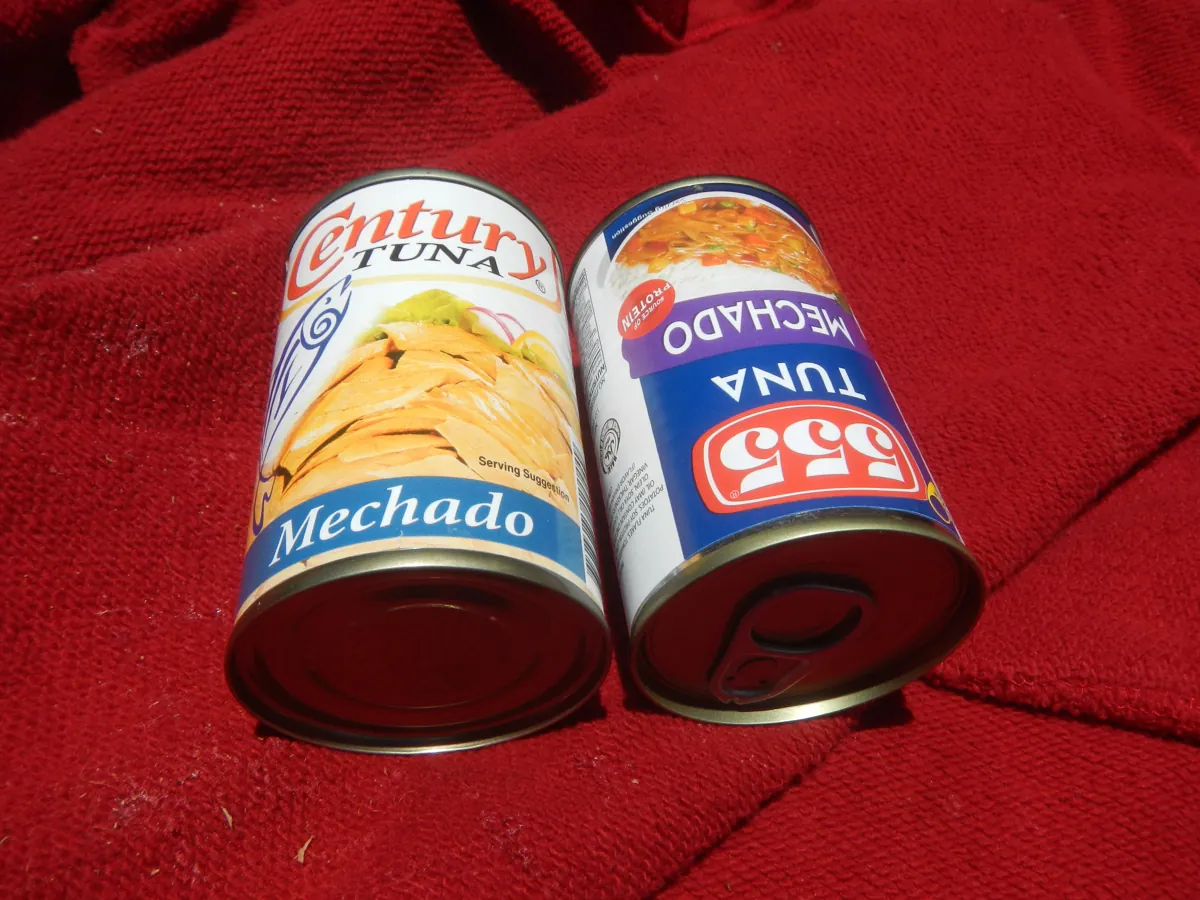
The CDC's personal-needs guidance includes emergency food, with attention to dietary restrictions, allergies, infants and medical needs. A kit should reflect the people using it. A large quantity of unfamiliar food is not a useful reserve if the household cannot eat or prepare it.
Our suggested review is to write down meals for the intended period using food you already understand. Check whether each needs refrigeration, cooking, clean water or an opener. Where possible, choose familiar items that suit the circumstances in your plan. Record the expiry or review dates and decide how the reserve will be replenished through normal use.
Do not use this exercise to invent one calorie target for every age and condition. If a person has specific dietary needs, incorporate their established guidance. The purpose is to find dependencies and omissions. A simple food plan you can explain is more useful than a total number of packets with no connection to the people who would eat them.


Medicines and medical equipment come before extras
The CDC's prescription preparedness advice addresses the difficulty of refilling medicines or finding an open pharmacy during an emergency. Review your arrangements with the relevant healthcare professional. Do not alter a dose or stockpile a prescription beyond what is appropriate and permitted for you.
Our planning suggestion is to record the medicine name, routine, pharmacy contact and any storage requirement. Make that information accessible to someone authorised to help. Check what happens if an item requires refrigeration or an equipment battery needs charging. A generic survival checklist cannot answer those person-specific questions.
The UK government's power-cut guidance advises people who use electrically powered medical equipment to make a plan with their care provider or clinical team. That is a priority decision, not an optional accessory purchase. A consumer power bank should never be assumed suitable for medical equipment without verified compatibility and professional guidance.
Lighting and power: test the whole arrangement
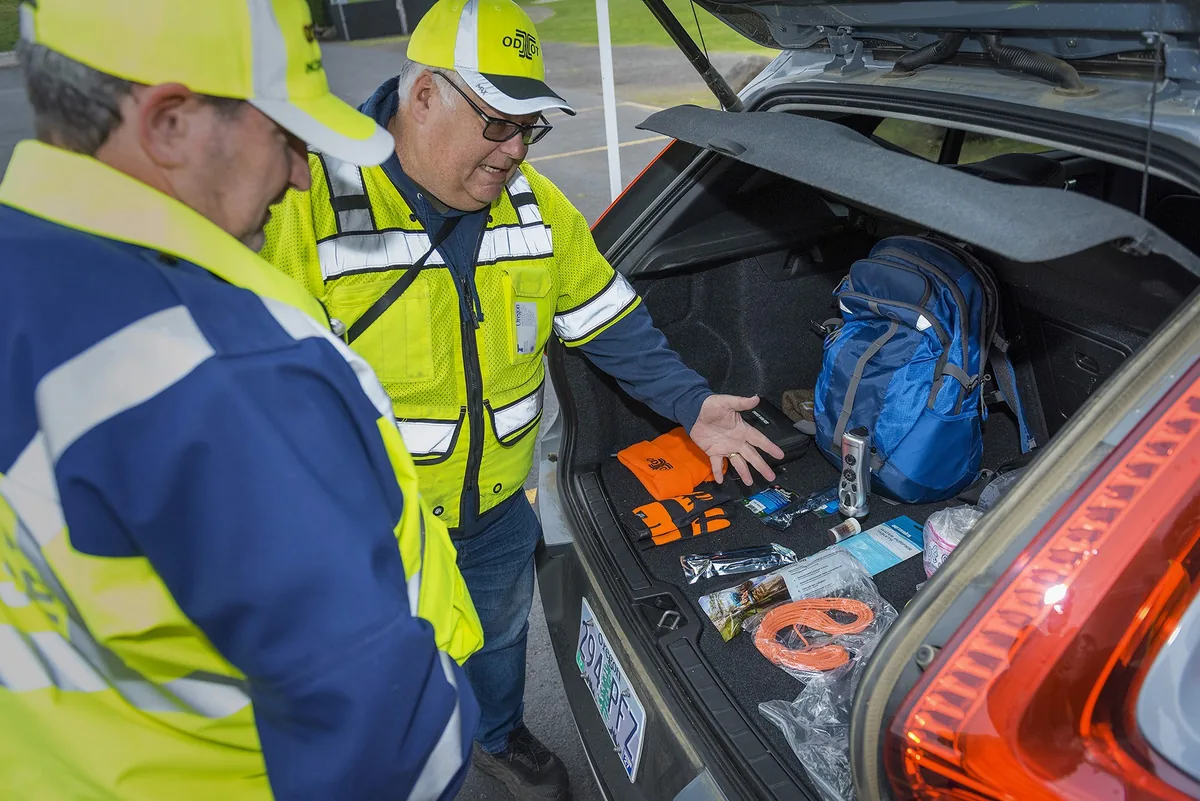
A light is useful only if the person who needs it can operate it. Our equipment review includes the light, its battery or charging source, the correct cable and an accessible storage location. Test the arrangement while ordinary power is available. Note anything that needs replacement rather than assuming it will work because it was put in a drawer.
The American Red Cross power-outage guidance recommends flashlights rather than candles and warns against unsafe use of fuel-burning equipment. Generators and similar equipment belong outdoors, away from openings; they are not an indoor heating or charging workaround. Follow the equipment instructions and applicable official safety guidance.
For a shopping decision, prioritise compatibility and maintenance over an impressive headline specification. Decide who will check charge levels and where spare batteries belong. If you already own a suitable working light, keep it in the plan. Buying another version of the same function is less urgent than addressing an essential need that has no usable arrangement.
Communication when your usual channel fails
The UK government's phone and broadband outage advice encourages planning with neighbours or the community about assistance. Use that prompt to decide how your household would communicate if a normal channel was unavailable. The advice is about interruption, not evidence that a particular service will be attacked.
Our exercise is to write down two contacts and decide what each would do. One might be the person you notify; another might help someone who cannot travel independently. Confirm the arrangement with them instead of assigning a role they have not accepted. Keep important details accessible without needing to retrieve them through the very service you are planning around.
Include a way to receive official updates. The UK alerts and warnings guidance describes national and local alert options. Readers elsewhere should check their own authority's systems. Learn which channel applies before relying on a social post that claims to summarise an emergency instruction.
If war breaks out, start with current local instructions
A general article cannot determine the safest route or shelter during an active conflict. Read the current instructions for your location, issued by the relevant authorities. If there is immediate danger, prioritise the emergency response rather than completing an inventory or shopping list. Preparedness supplies support action; they do not decide which action is safe.
Sweden's evacuation guidance explains evacuation as removal from an area where life or health is threatened, including war-related circumstances. Its practical advice includes identification and necessary items. That is national guidance; shelter arrangements and alert procedures differ between countries.
Our pre-crisis task is to identify those local procedures and the assistance your household would need. Record documents, contacts and accessible transport options. Do not publish a universal instruction to stay indoors, drive away or use a particular building regardless of conditions. A severe scenario makes accurate local information more important, not less.
Make accessibility, children and pets part of the plan
The CDC's disability-inclusive kit guidance addresses personal equipment and supplies, including prescription needs and service-animal requirements. A standard kit should be adapted to the user rather than treated as a complete solution for every household.
Our review questions are practical: can the person open the container, read the contact information and manage the bag? Does a helper know the arrangement? Are the supplies stored where they can be reached? For a child or dependent adult, decide who is responsible for the relevant task and confirm that they know.
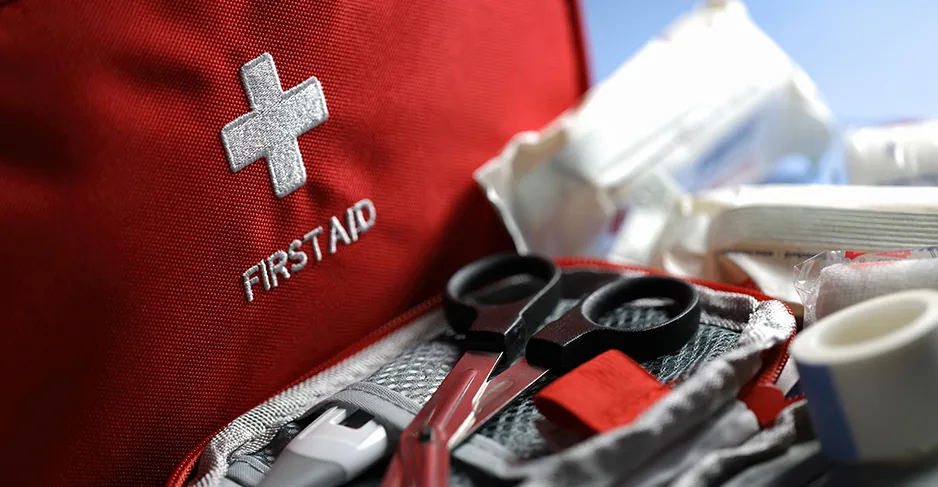
For pets, record the items and transport arrangement your own plan requires. Avoid counting a family reserve as complete until you have considered every person and animal it is intended to cover. A household inventory can make those differences visible without trying to create one universal package for everyone. The first-aid photographs here illustrate supply organisation; they do not certify a complete kit.
Your preparation task for today
Choose one hour of ordinary planning time, if your circumstances allow it. Gather the people involved, locate the essentials and write down the most important missing arrangement. That might be water quantity, a pharmacy question, a cable, a contact or transport assistance. Complete one practical action rather than trying to solve every hypothetical crisis.
Our suggested record has five fields: item or need, quantity, location, responsible person and next review date. You can use paper or the site's supply tracker. The record should help another person find or check something, not become a project that delays actual preparation.
Finally, review what you would take if instructed to leave and what stays in the home reserve. Confirm the plan with the people who would help. Read our Europe hybrid-threat explainer for the news context and NATO Article 4 versus Article 5 guide for the institutional questions. Then return to the concrete task: make one essential arrangement usable today.